Full-stack engineer & founder

I build the product.
And everything
behind it.

I’m Sherif. I turn complex problems into software people use and pay for — from native iOS apps to AI-powered creator tools and the agent tools that help me build them.

Based in Fort Myers, Florida

Built. Shipped. Operated.September 2026 snapshot
$70K+App revenue
50K+App Store downloads
4iOS apps shipped
Explore the apps

The idea is only
the beginning.

Different products. Different kinds of challenge.
A closer look at the product, the decisions,
and the systems underneath.

Native iOS

Dosely

Complex routines.
A calmer daily ritual.

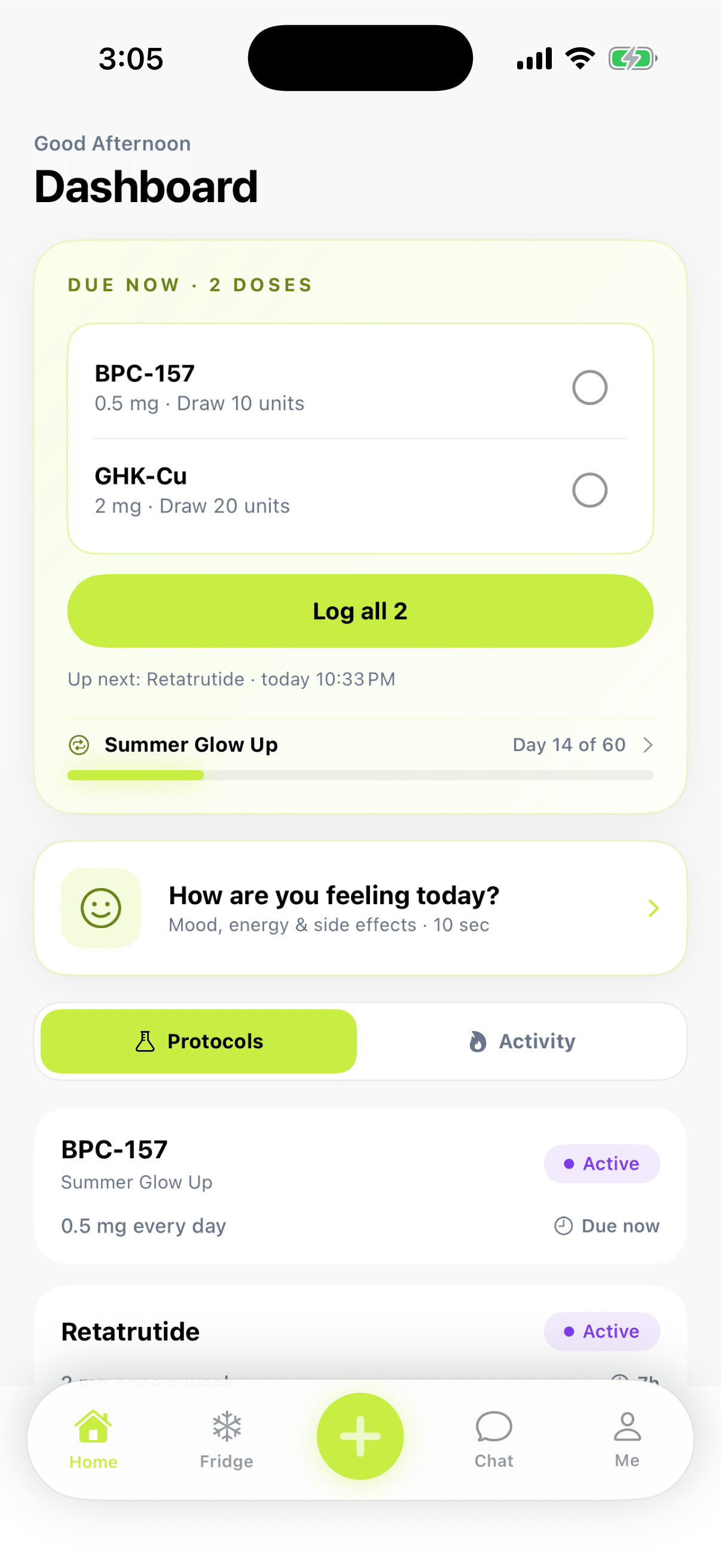
Schedules, vial inventory, calculations, and reminders in one native app. I built the SwiftUI experience and the systems behind it, with a cache-first architecture that keeps the daily workflow close at hand.

50K+downloads

$70K+revenue

SwiftUI / Supabase / RevenueCat
Inside the buildDesigning the architecture around the daily experience.
My role

Sole engineer at EFN Group. Native app, data layer, subscription integration, release, and production maintenance.

The challenge

Logging a dose affects a schedule, an inventory, and an ongoing protocol. These connected tasks should feel like one coherent routine, even when the network is unreliable.

The decision

After production experience with shared state, I moved toward singleton-free, cache-first repositories. Screens read local data first while the backend handles persistence and sync.

The tradeoff

Local responsiveness makes synchronization and state ownership more important. Explicit repositories give each screen a clear data boundary and make those responsibilities easier to follow.

A native interface with a local-first data path
  1. SwiftUI screensDaily tasks and inventory
  2. RepositoriesExplicit state ownership
  3. Local cacheRead without a network wait
  4. Backend syncPersistence and account data

In production A subscription app with camera-assisted vial entry, cycle planning, and a compound library. The September 2026 portfolio snapshot records 50K+ downloads and $70K+ revenue.

Creator tools & AI

DeckDrop

A topic becomes a finished carousel.

Turn a topic, article, or PDF into social slides you can make your own. I built DeckDrop with AI-assisted drafting, a visual editor, reusable brand kits, and exports sized for five platforms.

deckdrop Generation demo

TopicAI tools for your next idea

TikTok 5 slides Ready to make yours5 / 5
  1. AI tools.
    Real ideas.

    A few tools for your next creative project.

    The hook
  2. Write it
    with Cursor.

    Bring an AI assistant into your code editor.

    Build the idea
  3. Give it
    a voice.

    Turn a script into audio with ElevenLabs.

    Tell the story
  4. Follow your
    curiosity.

    Explore questions and sources with Perplexity.

    Find the context
  5. Now make
    something.

    Save the inspiration.
    Start with one idea.

    Make it yours

One topic. Five editable slides.Swipe to explore the deck.

5 supported platforms

Layers & undo / redo

Brand kits & team libraries

Next.js / OpenAI / Satori / Sharp
Inside the buildKeeping AI output editable, exportable, and dependable.
My role

Product engineering across generation, the visual editor, server rendering, saved drafts, and subscription credits.

The challenge

A generated image locks in the design too early. Creators need to rewrite a hook, move a text layer, change a background, and adapt the same idea to another platform.

The decision

The pipeline returns structured slide content and editable state. The editor adds layers, undo/redo, and autosave. Each slide renders on the server with Satori, Resvg, and Sharp; the browser packages the results into a ZIP.

The production details

Generation involves model calls, image sourcing, and rendering. Server-side credit checks gate each paid operation, failed work triggers a refund, and compressed image payloads keep responses within serverless limits.

From source material to a post-ready deck
  1. Topic, URL, or PDFSource material and brand voice
  2. Generate a draftSlide copy and background images
  3. Edit the detailsText, layers, layout, and style
  4. Render & exportPlatform-sized slides in a ZIP

A complete creator workflow Drafting, editing, saved brand styles, shared libraries, and downloadable slides for TikTok, Instagram, Reddit, LinkedIn, and X.

See the editor preview

The tools behind
the work.

Better products start with better tools.
This is the infrastructure I built to make
agent-assisted engineering more dependable.

Agent orchestration

codex-flow

Parallel work that survives interruption. A workflow engine for coordinating CLI agents, validating their output, and picking up where a run left off.

A code review, orchestratedIllustrative walkthrough
Review workflowThree independent review lenses

Concurrency & resume

Parallel work and recovery

Queued

Child processes

Execution and cleanup

Queued

CLI & rendering

Commands and output

Queued

One workflow. Three focused agents.

A review is divided into independent tasks, each with a defined output schema.
Plain Node.js. Zero npm dependencies.Based on a real review workflow; states are illustrative.
Inside the buildThe hard part is what happens after something fails.

The challenge

A long agent run can fail after useful work has already finished. Starting over wastes that work; blindly continuing can reuse results that no longer apply.

The decision

I built an append-only event journal and content-addressed resume cache. Unchanged successful calls can replay their validated results. Failed calls run again.

The boundary

Recovery also means managing process trees, protecting concurrent resume operations, and preserving output during worktree cleanup. When dependent state changes, a fresh run keeps the assumptions explicit.

Built for my workflow JavaScript orchestration, configurable concurrency, schema-validated outputs, and optional worktree isolation. This walkthrough demonstrates the recovery model without running agents in your browser.

Also in the toolkit

My GitHub
BeamPoint at an element. Give an agent context.

A browser extension and local bridge that connect a selected UI element to a coding session in the right repository. The dev-server port identifies the project directory.

Agent memoryUseful context, across sessions.

Persistent memory built around linked knowledge graphs, automated regrouping, and two-layer recall, so project context can outlast an individual agent session.

Screen-capture MCPA visual feedback loop for agents.

A draggable, click-through overlay defines a screen region that an MCP server captures on demand. Agents can inspect the interface before and after a change.

VoiceToTextOffline dictation, one hotkey away.

Push-to-talk dictation for macOS using local Whisper.cpp transcription. Hold a hotkey, speak, release, and the text is pasted into the focused application.

Image handoffsFrom a written brief to ready-to-use assets.

Self-contained Markdown briefs coordinate image generation across background agents. Original assets stay separate from the compressed copies shipped in a project.

Different problems.
The same attention to detail.

More shipped apps, each with its own
engineering challenge.

Real-time alerts

Pingr

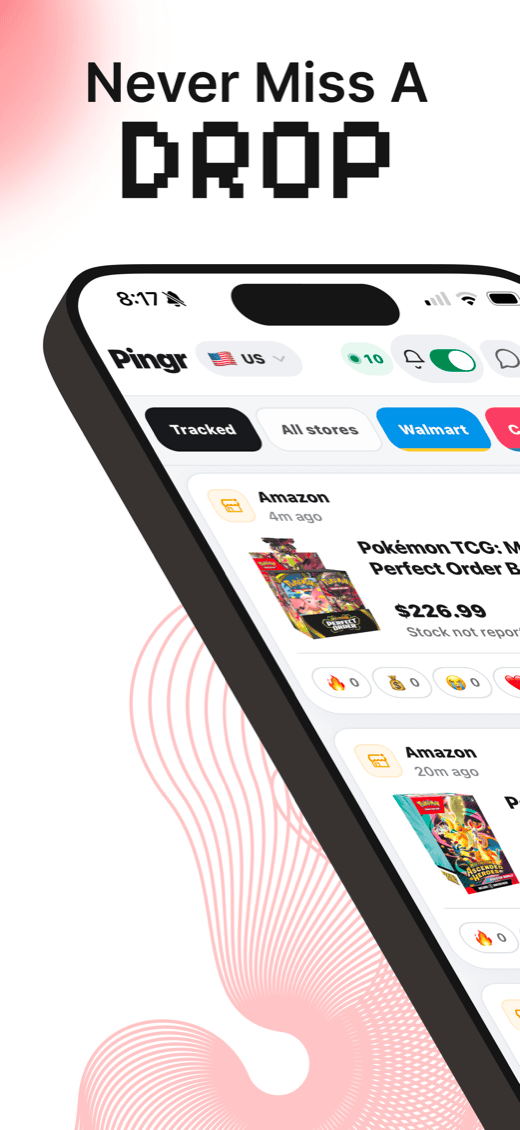
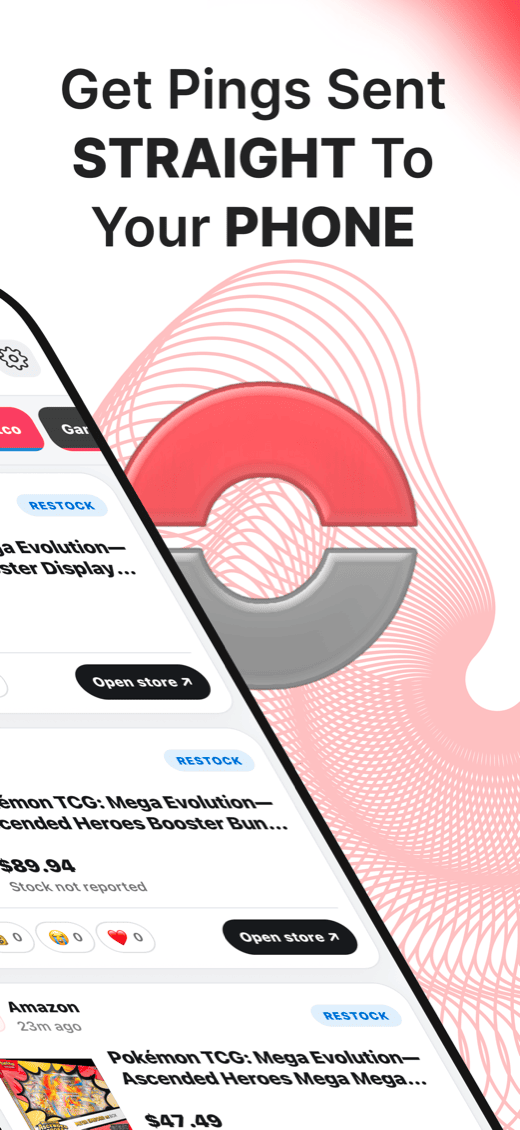
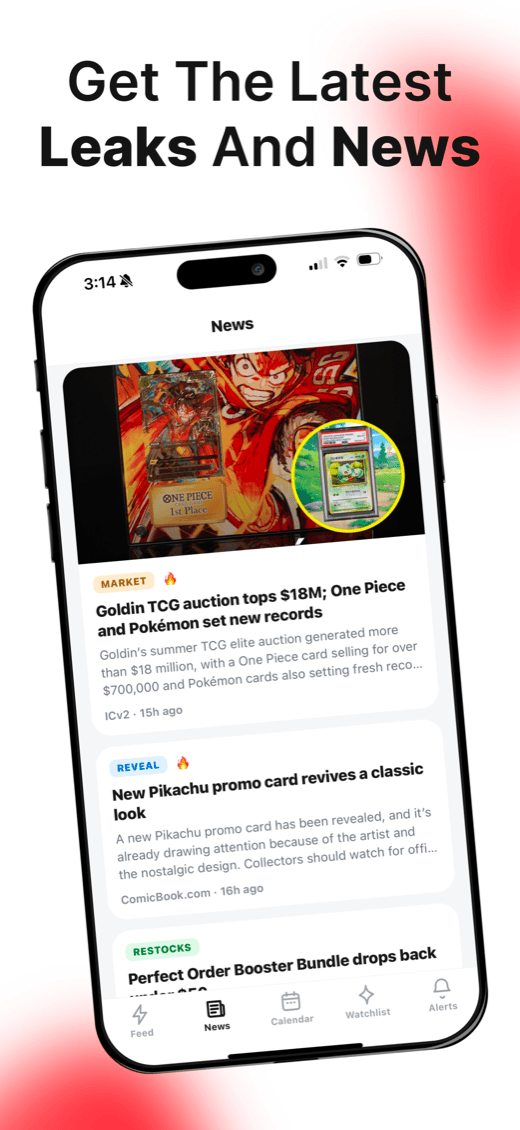
TCG restock alerts with a Realtime-to-push handoff and server-enforced subscription access.

Maps & community

uMaps

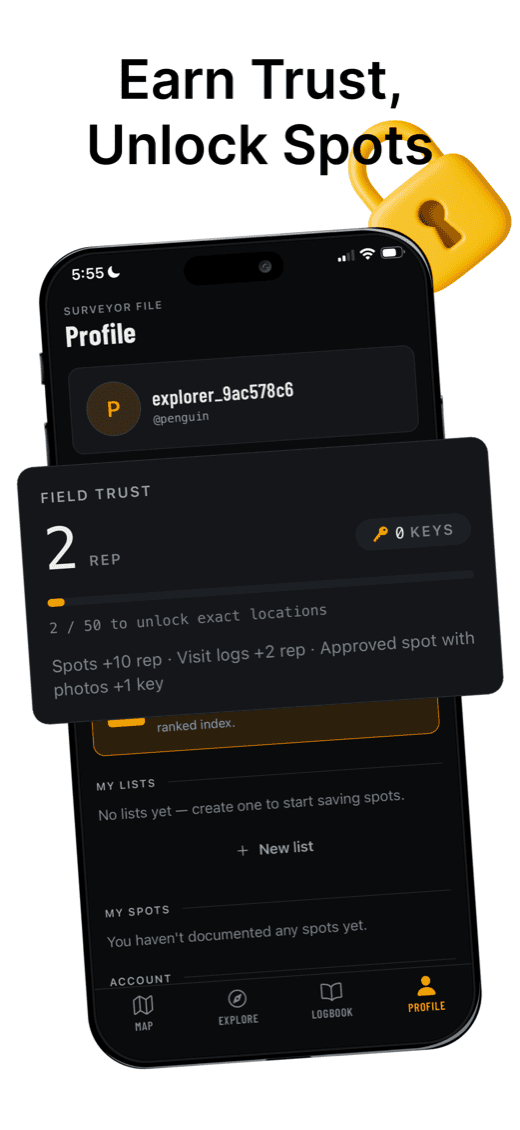
Urban exploration built on PostGIS, with approximate public locations and server-gated precise coordinates.

Health & screen time

Stepsy

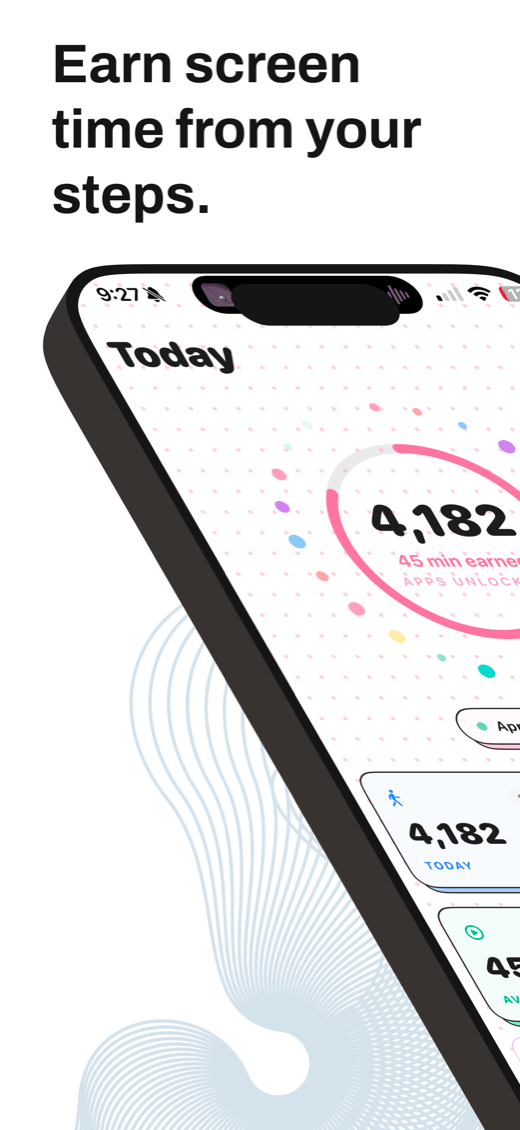
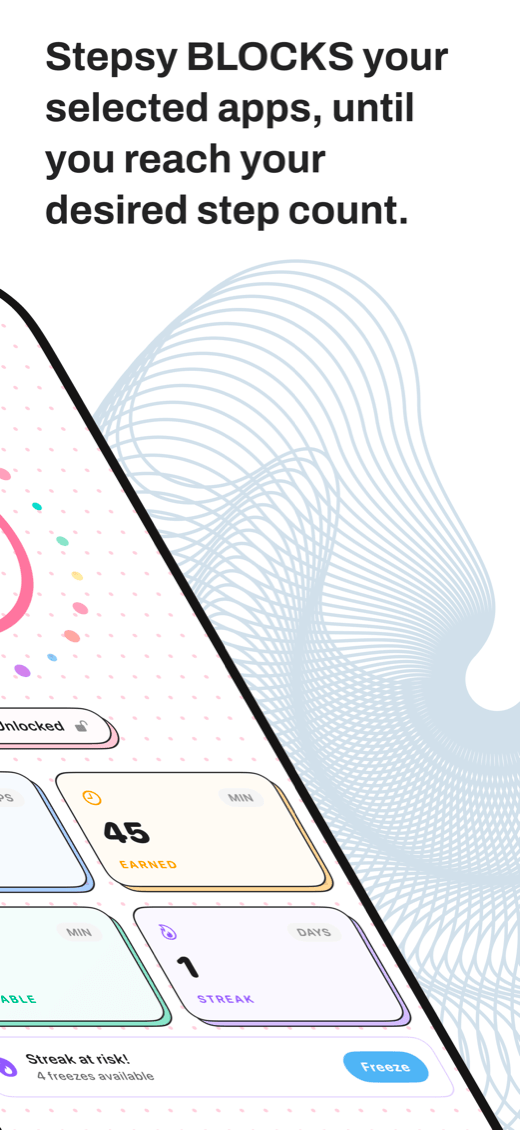
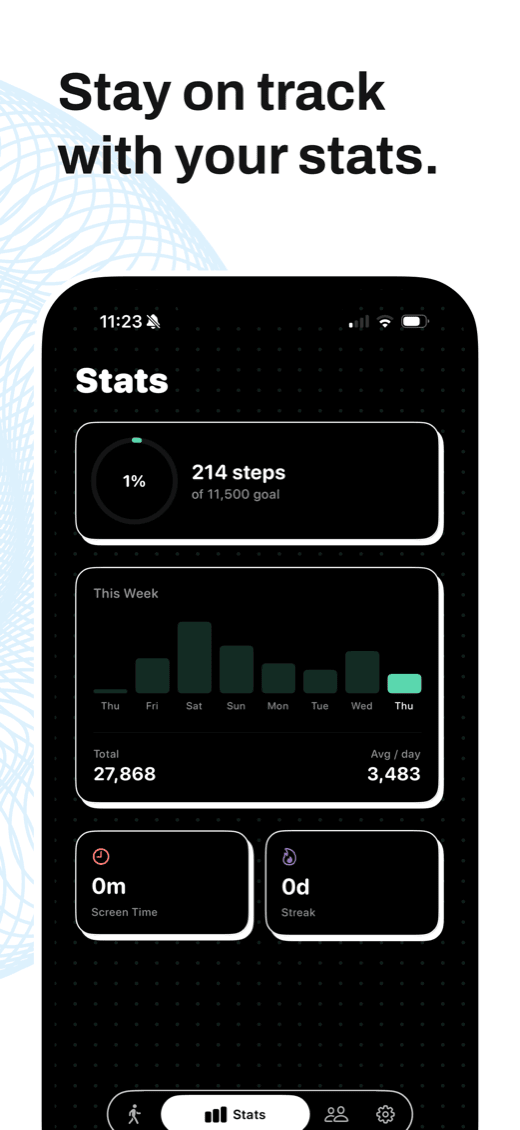
Screen time earned by walking. HealthKit, Family Controls, and four app extensions connect the experience.

On the workbench DashfitIn development

An on-device motion game: your steps, jumps, and squats control a three-lane runner. Built with SwiftUI, SpriteKit, and Vision body-pose tracking.

Curious about the details.
Responsible for the whole.

I’m an engineer who likes staying close to the problem — and to the people using what I build.

I co-founded EFN Group. My work spans the interface, the data model, the payment flow, and the production issue that only shows up after launch.

That range shapes how I work: understand the domain, make the important decisions explicit, and keep improving the product after it ships. I bring that same ownership to the teams and people I work with.

Building

EFN GroupConsumer apps, creator tools, and agent infrastructure

Foundation

Computer EngineeringFlorida State University, BS 2025

Research

Data Analytics & AIGraduate study and NLP research at FGCU

Working in

TypeScript, Swift, Python, PostgreSQL, React, SwiftUI, and Node.js

The analytical side

Research, data systems, and a foundation in embedded engineering.

Cross-product analyticsMicrosoft Fabric / Power BI

A three-layer warehouse consolidating product data from PostgreSQL backends, with automated quality checks and a dashboard of users, revenue, and engagement.

NLP & research designPython / FGCU

A pipeline classifying 600+ research abstracts across eight emotion categories. Separate gamification-in-finance research included a 53-item survey distributed to 200+ respondents.

Embedded motor controlC / MSP432

Led a four-person FSU capstone team building PID motor control and a data-acquisition pipeline for RPM, torque, and current.

Let’s build
something that matters.

Open to engineering roles and thoughtful collaborations.